


Precision from a Distance: The Vital Role of PTZ Cameras in Modern Medicine
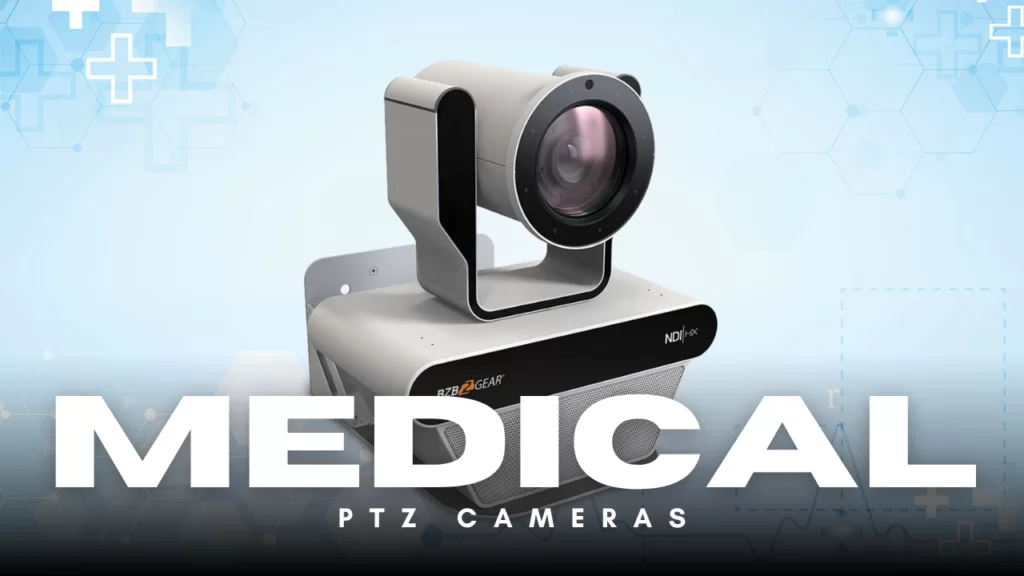
Healthcare is a rapidly evolving landscape, and one of the avenues it is making strides in is the telehealth/telemedicine realm. This means that the ability to see clearly is starting to go hand in hand with the ability to treat patients. Of course in the beginning of telemedicine, it was initially reliant on basic web cams and video conferencing, but the requirements of modern clinical environments are forcing those standards to change and evolve.
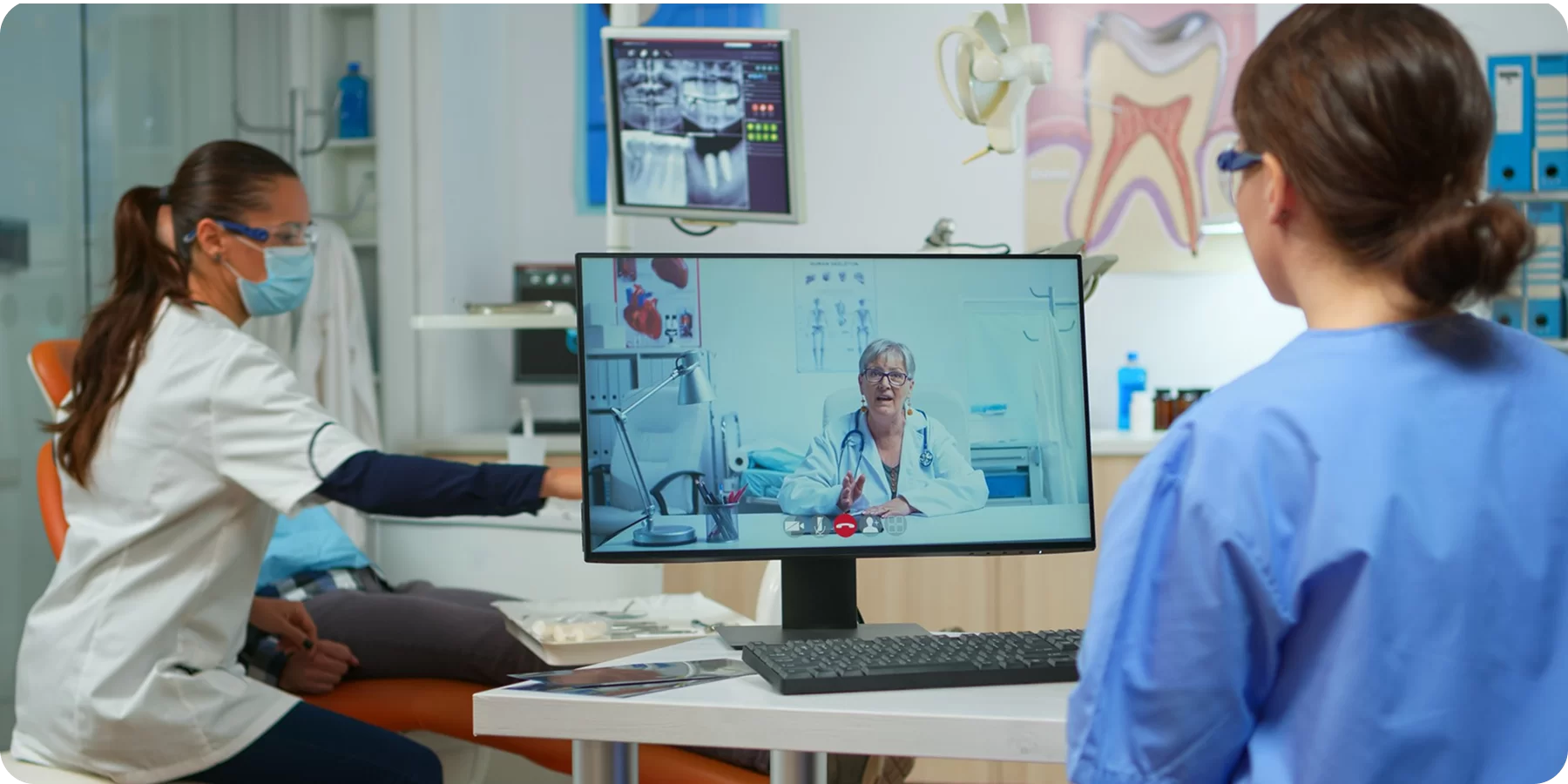
This is where the medical PTZ camera comes into play. Bringing high resolution imaging and flexibility to the table, PTZ cameras are becoming the “eyes” of the modern telehealth and medical facility.
Why PTZ Technology is a Game-Changer for Healthcare
When it comes to a medical setting, a static camera offers a lot of disadvantages. Healthcare is a dynamic environment, patients don’t sit still always, surgeons might want to see a different angle and students need to be able to see everything going on to learn properly. This is where PTZ cameras make the difference through three core capabilities:
1. Optical Zoom vs. Digital Grain
Unlike most webcams or tablets and phones that use digital zoom (essentially cropping into the picture which causes pixels to be enlarged and blurs the image), a medical grade PTZ camera instead uses optical zoom. Optical zoom means that the glass inside the lens moves in a way that magnifies the image without losing image quality. This means that a remote specialist can zoom in on surgery or wound to create a larger image that is both clear and highly detailed.
2. Remote Maneuverability
Because PTZ cameras can pan and tilt, this means that a doctor utilizing a simple joystick or the software interface for the camera can easily adjust the camera as needed. All of this can happen without needing to be in the room and allows for virtual care from anywhere, meaning maximizing the specialists time without sacrificing quality of patient care.
3. True Flexibility
Because PTZ cameras give you plenty of control with moving the camera itself and zooming remotely, this opens up true freedom to place the camera in areas where a traditional handheld camera or static camera wouldn’t work in. Many PTZ cameras can easily be mounted on walls or ceilings and still provide perfect views of the subject. On top of that, it means that the camera stays out of the way and stays out of the “sterile field” during procedures.
Key Applications in the Clinical Space
Emergency Consults
When every second is crucial, being able to speed up a physical assessment through having access to more physicians or being able to bring the consultation to rural ERs is game changing. PTZ cameras allow for zooming in on patients' pupils or extremities to check for symptoms or wounds in real time while not necessarily needing to be in the room with the patient, leading to getting them to where they need to be faster.
Surgical Education and Telementoring
Operating rooms already have a lot going on inside them, and one of the last things you want is to make an already crowded space more crowded. PTZ cameras can lessen the strain on the people in the room and give a clear and high resolution look at the procedure for those learning. Utilizing PTZ cameras to stream to lecture halls or a remote mentor means that hospitals can train the next generation of surgeons.
ICU and Patient Monitoring
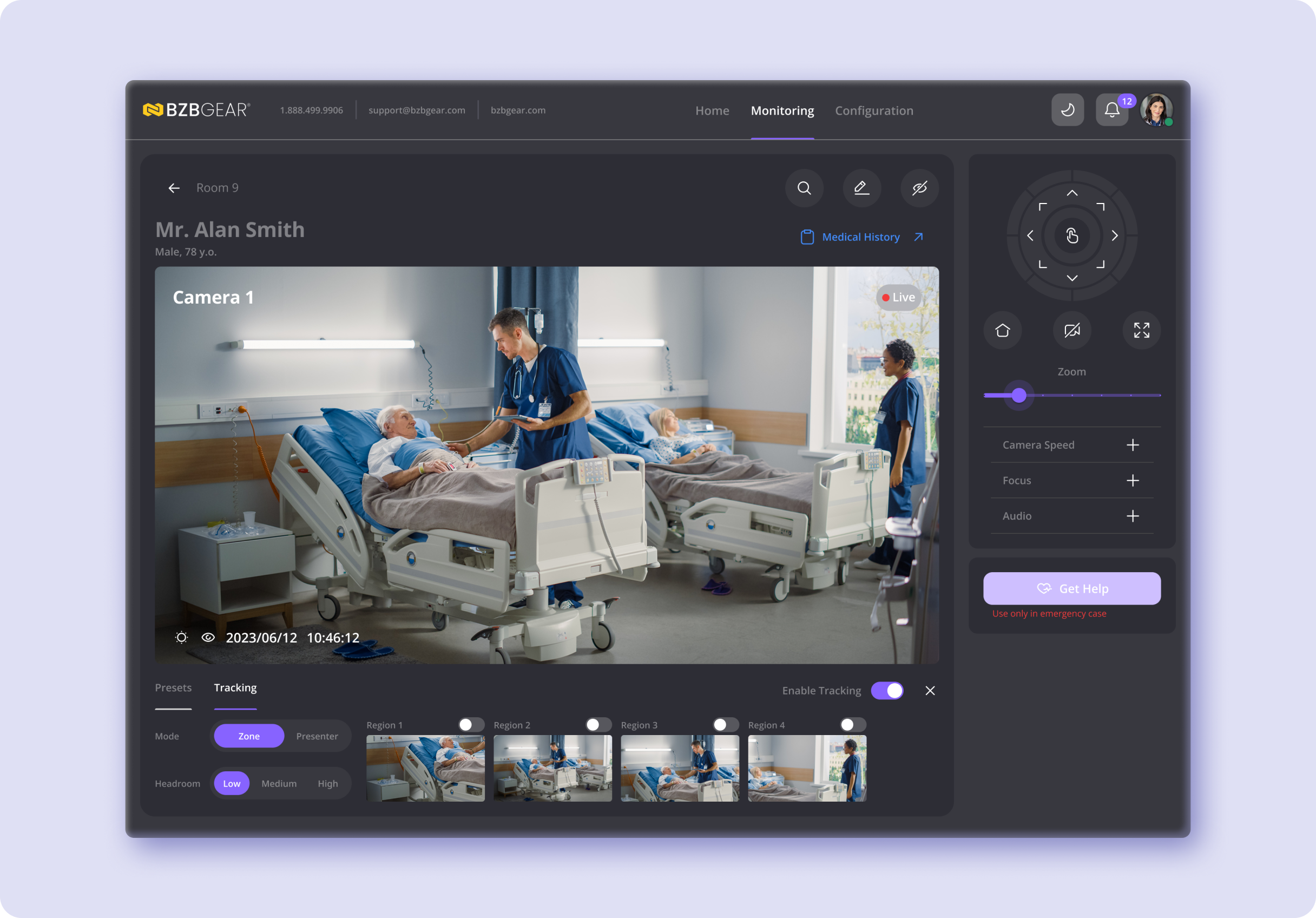
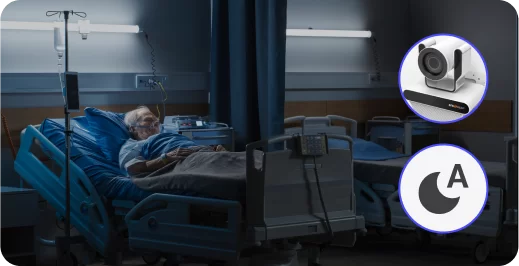
Lessening the strain in ICUs can be a great boon and PTZ cameras can help to ensure that all patients in the unit have timely care and monitoring. If implemented correctly, PTZ cameras can allow for a single nurse station to watch multiple rooms. On top of that, some of these cameras can even be programmed to alert staff if a patient is attempting to leave their bed.
Spotlight: The BG-NUTRIX Medical PTZ Camera
This is where BZBGEAR comes in, we recognize that you can’t just take a normal PTZ camera and place it in a clinical environment. There are special features and certifications that are necessary to create the most well suited PTZ camera for health care professionals and so we developed the BG-NUTRIX.
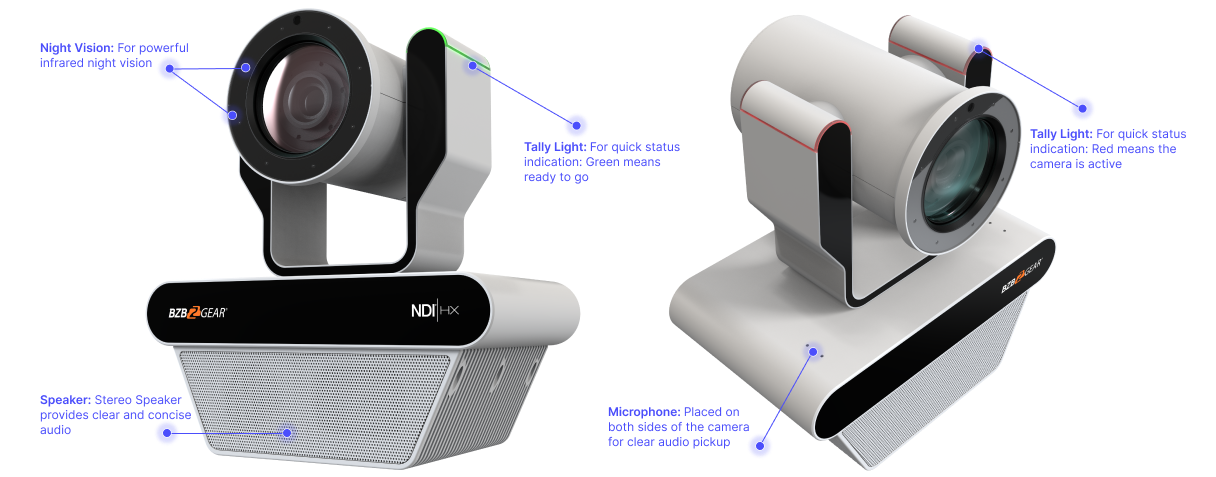
The BG-NUTRIX isn't just a camera; it is a specialized clinical tool. Key features include:
-
- Medical-Grade Certification: Designed to meet the stringent safety and electromagnetic standards required for hospital environments.
- 4K Ultra-HD Imaging: Providing the granular detail required for tele-diagnosis and surgical observation.
- Antimicrobial Housing: The camera body is treated with specialized coatings to assist in infection control protocols, a must-have for any clean-room environment.
- Silent Operation: Our precision motors ensure that the camera moves silently, preventing any distraction to surgeons or disruption to a resting patient.
- Versatile Connectivity: With support for HDMI, SDI, and NDI|HX, the BG-NUTRIX integrates seamlessly into existing hospital networks and broadcast systems.
- Night-Vision: The BG-NUTRIX comes equipped with night vision to be able to properly monitor patients in dark environments or to ensure that they are not disturbed while attempting to rest.
The Future: AI and Autonomous Observation
As we look toward 2026 and beyond, AI integration into cameras is likely the next frontier. We’re pleased to say that we are embracing that kind of advancement in our healthcare focused offerings like the BG-NUTRIX. After all, the goal of medical PTZ technology can be summed up as attempting to remove the barriers of distance and provide the best treatment to patients while leveraging the talent of specialists around the world.
Is your facility ready for the next step in Telemedicine? Explore the full specs of the BG-NUTRIX or contact our team and we’d be happy to see how we can help you build a more connected clinical environment for you.


8.00 a.m. - 5.00 p.m. (PST)
10.00 a.m. - 3.00 p.m. (PST)
(by appointment only)